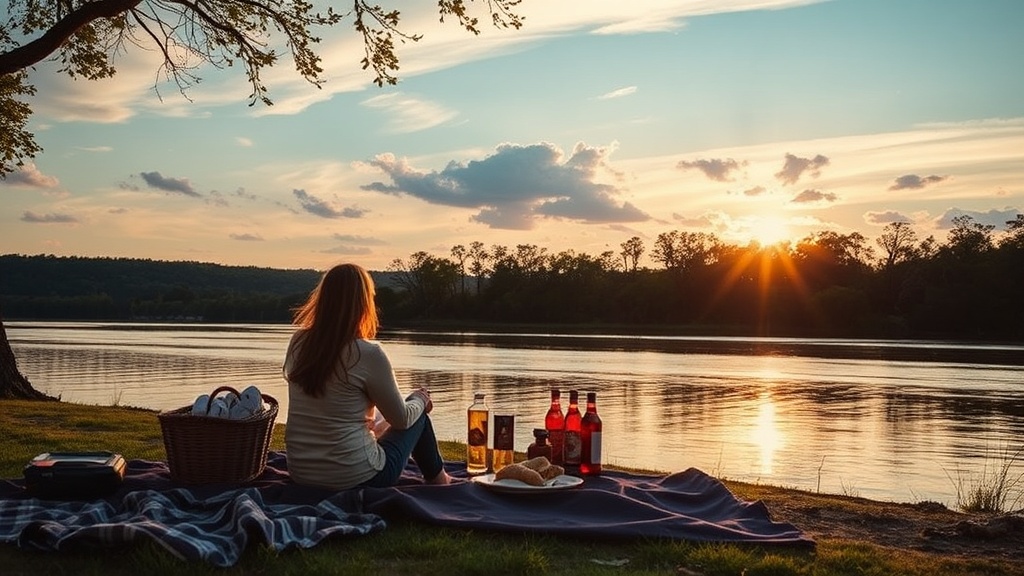
Planning a Perfect Picnic by the Red River

You will learn how to select the best locations along the Red River, pack the right gear for Manitoba weather, and curate a menu that won't wilt in the heat. This guide provides a practical checklist for organizing a successful outdoor meal near Selkirk, focusing on local terrain, seasonal considerations, and practical logistics.
Where are the best picnic spots near the Red River in Selkirk?
The best picnic spots near the Red River depend on whether you want a secluded riverbank or a structured park setting. For families, the areas near the Selkirk Beach Provincial Park offer paved paths and accessible amenities, while the more rugged riverbank edges are better for those seeking quiet. If you want a view of the water without much walking, look for spots near the main access points on Highway 9.
The Red River valley has a specific topography. You'll find high banks in some areas and low-lying flood-prone areas in others. If you're planning a trip during the spring runoff, stay away from the immediate banks—the ground can be deceptively soft and muddy. Instead, aim for the higher ground near the established park areas. It's a much safer bet for your feet (and your expensive picnic basket).
Here are three distinct vibes to choose from:
- The Family Classic: Near the Selkirk Beach area. It's easy to access, has plenty of space, and you won't feel bad if the kids run a bit wild.
- The Romantic Escape: A quiet spot tucked into the trees along the riverbank. This requires a bit more hiking, but the silence is worth it.
- The Quick Bite: A spot right near the roadside pull-offs. Perfect if you just want to eat a sandwich and get back on the road.
What gear do I need for a Manitoba picnic?
You need weather-resistant seating, reliable temperature control for food, and insect protection. The weather in the Prairies is notoriously fickle; you might start with bright sunshine and end with a sudden thunderstorm. Don't rely on a single layer of clothing or a single piece of equipment.
I highly recommend bringing a heavy-duty waterproof blanket. A standard cotton sheet won't cut it when the grass is damp from the morning dew. Brands like Patagonia make durable gear, but even a basic tarp from a local hardware store can save you from a soggy bottom. If you're bringing more than a few items, a folding camping chair is a massive upgrade over sitting on the ground.
Temperature control is your biggest hurdle. If you're bringing perishables, don't just rely on a standard cooler. Use a high-quality insulated bag or a hard-sided cooler like a Yeti to ensure your drinks stay cold and your deli meats stay safe. In the heat of a July afternoon, a lukewarm soda is a tragedy.
| Item | Must-Have Feature | Why It Matters |
|---|---|---|
| Blanket | Waterproof backing | Prevents dampness from the ground. |
| Cooler | High insulation rating | Keeps food at safe temperatures. |
| Sun Protection | Wide-brimmed hat/SPF | The prairie sun is intense. |
| Insect Repellent | DEET or Icaridin based | The mosquitoes near the river are no joke. |
One thing to keep in mind: always pack out what you pack in. The river ecosystem is delicate. If you leave even a small piece of plastic behind, it can easily end up in the water. It's a simple rule, but it keeps our local spots beautiful.
How do I pack food that won't spoil in the heat?
Pack your most temperature-sensitive items in the center of the cooler, surrounded by ice or frozen water bottles. You want to create a thermal buffer around your perishables to keep them at a safe temperature for as long as possible.
Avoid anything that relies heavily on mayonnaise or heavy dairy if you're going to be out for more than an hour. Instead, lean into hearty, stable foods. Think crusty breads, hard cheeses, cured meats, and fruit. If you want to go the extra mile, look for seasonal produce at the Selkirk Farmers Market to grab fresh berries or veggies that are at their peak right now.
Here is a quick guide for your menu planning:
- The "Safe" List: Baguettes, hard cheeses (like cheddar or manchego), grapes, nuts, and dried fruits.
- The "Caution" List: Sliced deli meats, soft cheeses (brie or goat cheese), and creamy salads. These need to stay cold or be eaten immediately.
- The "Hydration" List: Water, sparkling water, or iced tea. Avoid sugary sodas that can attract more bugs.
A pro tip: freeze some of your water bottles the night before. They act as ice packs in your cooler, and by the time you're ready to head home, you'll have ice-cold water to drink. It's a two-for-one win.
Dealing with the Uninvited Guests (The Bugs)
If you've ever spent time near the Red River in mid-July, you know the struggle. The mosquitoes and biting flies are real. It's not just an annoyance—it can actually ruin the whole experience if you aren't prepared. Don't bother with those tiny little citronella candles; they're mostly useless in the wind.
Instead, focus on two things: your skin and your scent. Use a repellent that actually works, and try to avoid wearing very bright colors or heavy perfumes, which can attract insects. If the bugs are particularly bad, a small portable fan can actually help keep them away from your food and your face. It creates a localized breeze that many insects find difficult to fly through.
If the bugs are truly overwhelming, don't be afraid to pivot. I've had many a picnic cut short because the mosquitoes decided to make a meal out of us. If that happens, head into town and find one of the cozy coffee shops in Selkirk. It's a great way to save the afternoon without the itching.
The most important thing to remember is that a picnic is about the environment you're in. The Red River is beautiful, but it's also wild. Respect the weather, respect the bugs, and most importantly, respect the land. If you plan ahead, you'll spend less time worrying about logistics and more time actually enjoying the view.
Steps
- 1
Choose your riverfront spot
- 2
Pack lightweight snacks and drinks
- 3
Bring comfort items like blankets and chairs
- 4
Check the local weather forecast