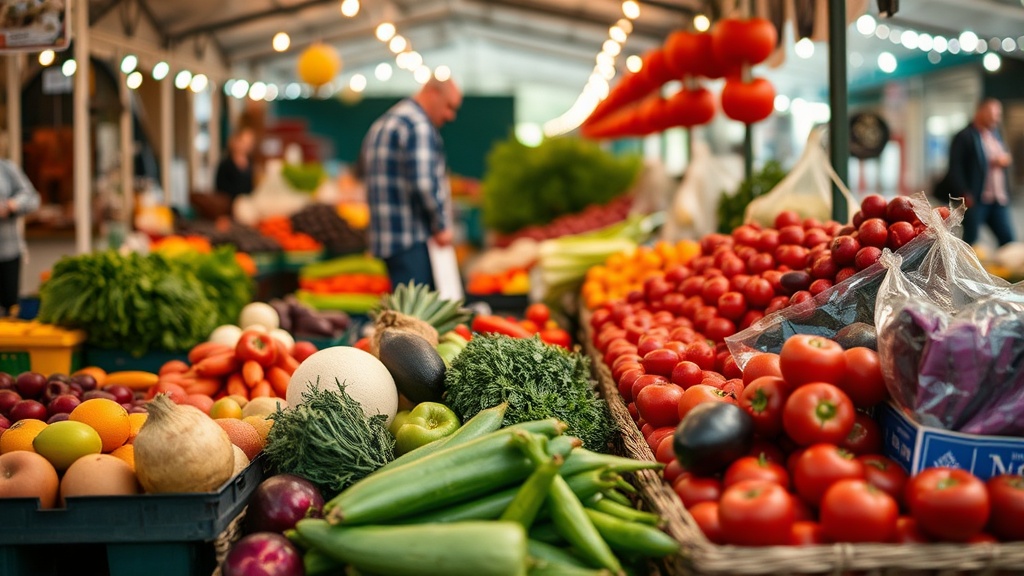
Finding the Best Seasonal Produce at the Selkirk Farmers Market

You'll learn how to identify peak-season produce, identify the best local vendors at the Selkirk Farmers Market, and time your visits to get the highest quality harvests from the Red River Valley. This guide provides a seasonal breakdown of what to buy and when to ensure you aren't paying premium prices for out-of-season goods.
Shopping local in the Prairies isn't just about supporting neighbors; it's about eating food that actually tastes like something. When you buy a tomato from a grocery store in January, you're eating a fruit that was picked green and ripened in a shipping container. At the market, you're getting produce that was in the ground in Manitoba just a few days ago.
When is the best time to visit the Selkirk Farmers Market?
The best time to visit is during the peak summer months of July and August when the variety of produce is at its highest. While the market runs through much of the warmer season, the diversity of crops changes significantly every few weeks. If you want the widest selection of berries and leafy greens, aim for mid-summer.
The market operates on a schedule that respects the unpredictable Manitoba weather. You'll find that early morning visits—around 10:00 AM—are best if you want the first pick of the highly sought-after items like heirloom tomatoes or fresh sourdough. By 1:00 PM, the most popular vendors often sell out of their star products. It's frustrating to arrive late and find empty crates, so get there early.
Keep an eye on the Manitoba Agriculture updates for any weather-related changes to market schedules. Heavy rain or early frost can shift what's actually available on any given Saturday. Don't be surprised if a sudden heatwave makes the berry selection disappear faster than usual.
Here's a quick seasonal cheat sheet for the Selkirk area:
| Season | Primary Produce | Top Items to Look For |
|---|---|---|
| Late Spring | Greens & Herbs | Radishes, Chives, Spring Onions |
| Summer | Berries & Stone Fruit | Strawberries, Raspberries, Peaches |
| Late Summer | Nightshades & Squash | Tomatoes, Peppers, Zucchini |
| Autumn | Root Vegetables | Potatoes, Carrots, Pumpkins |
How much does seasonal produce cost at the market?
Prices at the Selkirk Farmers Market vary depending on the specific crop and the current local harvest volume. Generally, you'll find that highly seasonal items like strawberries are more affordable during their peak weeks than they are during the early or late stages of the season. You might pay a bit more for organic-certified vegetables, but the flavor difference is usually worth the extra dollar or two.
It's a common misconception that buying local is always more expensive than the big-box stores. While a head of lettuce might cost more than the mass-produced version at a supermarket, the shelf life and nutrient density are vastly different. You aren't just paying for the food; you're paying for the lack of long-distance transport. It's a small price for quality that doesn't wilt in your fridge after two days.
One thing to remember: many vendors are happy to discuss bulk pricing if you're buying for a community event or a large family dinner. If you see a vendor with an abundance of cucumbers, ask them about it. They'll often give you a better deal if you take a larger quantity off their hands.
Pro Tip: Bring cash. While many vendors are moving toward digital payments, the most reliable way to ensure a smooth transaction is to have small bills on hand. It's much faster than waiting for a signal to process a card payment in a crowded area.
What should I look for to ensure quality?
Look for vibrant color, firm texture, and a lack of bruising or soft spots to ensure you're getting the best produce. High-quality vegetables should feel heavy for their size, which usually indicates high water content and freshness. If a bell pepper feels soft or "squishy," leave it on the table.
The visual cues for different categories are quite specific:
- Leafy Greens: Look for bright, crisp edges. If the edges are turning brown or translucent, the greens are likely starting to wilt.
- Root Vegetables: These should be firm and free of excessive dirt or soft spots. A little bit of soil is actually a good sign of minimal processing.
- Berries: Avoid any containers where the berries at the bottom look mushy or have visible mold. The berries should be plump and uniform in color.
- Alliums (Onions/Garlic): The skins should be tight and dry. If an onion feels soft, it's past its prime.
I always suggest checking the underside of fruit like melons or squash. A creamy yellow bottom on a melon indicates it's ripe, whereas a white or green bottom means it was picked too early. It's a small detail, but it makes a massive difference in how much you'll enjoy your meal later.
If you're curious about the nutritional density of what you're buying, the Wikipedia page on nutritional density offers a deep dive into why fresh food matters. It's not just hype—the vitamins in produce start degrading the moment it's harvested.
Don't be afraid to ask the growers questions. Most people at the Selkirk Farmers Market are incredibly proud of what they grow. If you aren't sure how to prepare a specific type of squash or how long a certain herb will last in your kitchen, just ask. They are usually more than happy to share their expertise.
One thing I've noticed is that certain vendors specialize. Some might focus entirely on heirloom varieties, while others stick to the reliable staples. If you find a vendor who has the perfect sourdough or the best local honey, make a mental note of their name. You'll want to find them again next season.
The quality of the soil in the Red River Valley is some of the best in the country. This is why the produce here hits differently than what you find in a standard grocery aisle. The minerals in our local earth translate directly to the flavor in your kitchen.
When you're browsing, keep an eye out for the "ugly" produce. Sometimes, the most flavorful items aren't the most aesthetically perfect ones. A slightly misshaped carrot still tastes exactly the same as a perfectly straight one, and often, these are the gems that were grown with fewer chemical interventions.
If you're looking for reliable recipes to use up your market haul, I highly recommend checking out the Food Network site for inspiration. It's a great way to ensure that the beautiful vegetables you've purchased don't end up sitting in your crisper drawer forgotten.
The best part of the market experience is the variety. One week you might find a specific type of basil that is perfect for pesto, and the next, you're hunting for the perfect peach. It keeps the shopping experience from feeling like a chore and turns it into a seasonal event.
Whether you're a seasoned home cook or someone just trying to eat a few more vegetables, the Selkirk Farmers Market is a resource worth utilizing. It's a direct line to the best flavors our region has to offer.