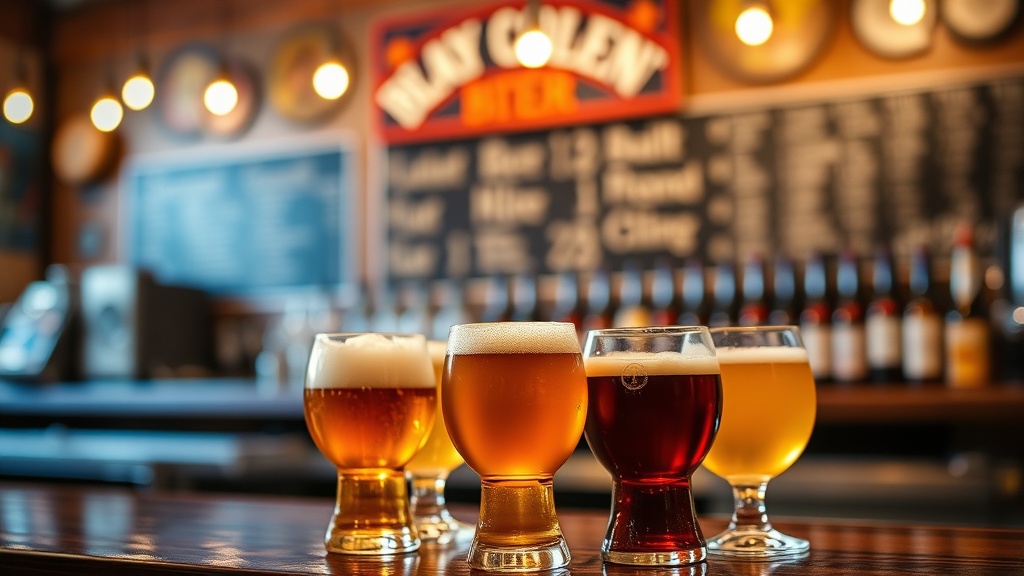
Picking the Best Local Craft Beers

Quick Tip
Always ask the server for the flavor profile to find a beer that matches your palate.
Over 1,500 craft breweries currently operate across Canada, and the sheer variety can feel overwhelming if you aren't a professional sommelier. This post breaks down how to identify high-quality local brews, understand common beer styles, and pick a bottle that actually fits your palate. Knowing what to look for ensures you don't waste money on a heavy stout when you actually wanted something crisp and refreshing.
How Do I Choose a Beer Style?
You choose a beer style by identifying the dominant flavor profile you crave, such as bitterness, sweetness, or acidity. If you like something light and refreshing for a hot day by the Red River, look for a Pilsner or a Blonde Ale. If you want something more intense, an IPA (India Pale Ale) offers much more hop character.
Here is a quick breakdown of common styles you'll find at local Manitoba retailers or taprooms:
| Style | Flavor Profile | Best Paired With |
|---|---|---|
| Lager | Crisp, clean, and light | Spicy food or grilled meats |
| IPA | Bitter, citrusy, or piney | Strong cheeses or heavy burgers |
| Stout | Roasted, coffee, or chocolate | Desserts or savory stews |
| Sour | Tart, fruity, and acidic | Salads or light seafood |
What Should I Look for on the Label?
The most important things to check on a label are the alcohol by volume (ABV) and the brew date. A high ABV doesn't always mean better quality—it just means it's stronger. Also, check the date; fresh is almost always better for certain styles.
Keep these three things in mind when scanning the shelf:
- The ABV Percentage: Higher percentages often mean a heavier mouthfeel.
- The IBU Rating: This stands for International Bitterness Units (you can read more about IBU on Wikipedia) and tells you how bitter the beer is.
- The Brew Date: For IPAs, you want something brewed recently to ensure the hops haven't lost their punch.
The catch? Some people think a higher price tag automatically equals a better beer. That isn't true. A well-made, inexpensive lager can often be more satisfying than an overpriced, overly complex experimental brew. It's all about preference—not just the price tag.
Is Craft Beer Better Than Mass-Produced Beer?
Craft beer is often better because it uses higher-quality, diverse ingredients and lacks the heavy adjuncts used in mass-market lagers. While mass-produced beers are designed for consistency and low cost, craft brewers often experiment with local ingredients to create unique flavors.
If you're planning a gathering, you might want to pair your drinks with a good meal. If you are already planning a perfect picnic by the Red River, bringing a few cans of a crisp seasonal fruit sour or a light wheat beer is always a winner. It keeps things light and easy for everyone involved.
Worth noting: always check the storage instructions. Most craft beers, especially those with heavy hop profiles, benefit from being kept in a cool, dark place to prevent oxidation.