How to Find and Use Selkirk's Free Winter Recreation Spaces and Outdoor Rinks

Why Does Selkirk Invest So Much in Free Outdoor Winter Facilities?
Here's something that surprises newcomers to our community—Selkirk maintains over a dozen outdoor ice rinks and nearly 15 kilometres of groomed winter trails entirely free of charge for residents. While many Prairie cities have scaled back public winter amenities due to budget pressures, our city council has consistently prioritized keeping these spaces accessible to everyone. This matters because winter in Manitoba stretches six months or more, and having affordable ways to stay active isn't just nice to have—it's critical for our physical health and community connection when the mercury drops below -20°C. This guide covers exactly where to find Selkirk's outdoor rinks and trails, how to check conditions before heading out, what equipment you'll need, and the unwritten rules that keep these spaces welcoming for all of us.
Where Are the Best Outdoor Rinks in Selkirk Located?
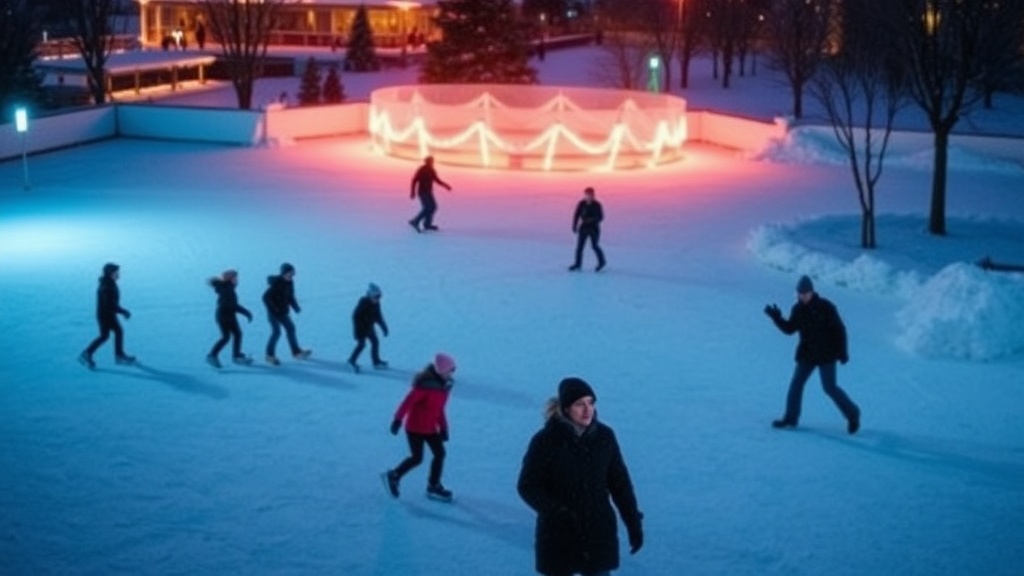
Selkirk's outdoor rink network spreads across our neighbourhoods, making it easy to find one within walking distance no matter where you live. The largest and most popular facility sits at Selkirk Park near the Red River waterfront—this multi-pad complex hosts everything from casual skating to organized hockey scrimmages. On any given winter evening, you'll find dozens of families, teenagers playing shinny, and older folks enjoying a quiet glide under the lights. The city keeps the ice in excellent condition here, with daily flooding and maintenance when temperatures cooperate.
For those of us in the north end, the rinks at Lord Selkirk School and Robert Smith Middle School offer more intimate spaces with shorter wait times for ice. These neighbourhood gems don't get the same heavy traffic as Selkirk Park, which means you're more likely to have room for a proper skate without dodging hockey pucks. The east end residents swear by the rink at St. John's Park—it's smaller but consistently has the smoothest ice because fewer people know about it. Over in the west end, the community-built rink near Evarcy Place has become a gathering spot where neighbours bring thermoses of hot chocolate and actually talk to each other.
Each rink has posted hours, though most stay lit until 10 PM on weeknights and 11 PM on weekends. The city updates rink conditions daily on their website, and experienced locals know to check the official Selkirk outdoor rinks page before bundling up—the last thing anyone wants is to arrive at a closed rink after a thaw. Pro tip from those of us who've learned the hard way: bring a small shovel in your trunk. Even when rinks are officially open, a fresh snowfall might mean clearing a patch for yourself if city crews haven't arrived yet.
How Do You Access Selkirk's Groomed Cross-Country Ski Trails?
While the rinks get most of the attention, Selkirk's groomed ski and walking trails deserve just as much credit for keeping us sane through February. The Selkirk Recreation Complex maintains a 5-kilometre loop that starts right behind the facility and winds through some surprisingly scenic stretches of prairie and riverbank. The grooming team works early mornings, so by 8 AM you usually have fresh tracks set for classic skiing. The trail connects briefly with the Red River Mutual Trail system, which means ambitious skiers can actually travel between Selkirk and neighbouring communities when ice conditions permit.
For something more leisurely, the paved paths through Selkirk Park convert beautifully into winter walking trails once snow covers the ground. The city doesn't officially groom these for skiing, but they're wide and flat enough that many of us use them anyway—especially families with young kids who aren't ready for proper ski trails yet. The views of the Red River from the park's eastern edge make this worth doing even on brutally cold days when you'd otherwise stay inside. Just dress in layers; that Prairie wind coming off the water doesn't mess around.
The real hidden treasure sits on the outskirts of town near the locks. A group of dedicated volunteers (many retired, many with decades of local knowledge) maintain an unmapped network of trails through the riverbank forest. These aren't officially sanctioned or maintained by the city, so conditions vary, but locals know this is where you'll find the most peaceful skiing in Selkirk. Word spreads through coffee shop conversations and the Selkirk Community Facebook group when the volunteer groomers have been out. If you see fresh tracks heading into the trees near the marina—follow them.
What Equipment and Preparation Do You Actually Need?
Here's where Selkirk's winter culture gets practical. You don't need fancy gear to enjoy these spaces—though having the basics makes a difference when it's -25°C with wind chill. For skating, any pair of hockey or figure skates will do, and both Selkirk Source for Sports on Main Street and the arena's pro shop offer affordable sharpening services. Many families pass skates down through siblings and neighbours, and you'll often see posts on local buy-and-sell groups giving away outgrown pairs. The community centre runs an equipment swap every November where you can pick up used skates, skis, and snowshoes for donation prices.
If you're trying cross-country skiing for the first time, the Recreation Complex rents equipment by the day at rates that undercut anything in Winnipeg. They also offer beginner lessons through January and February—worth every penny if you've never clicked into skinny skis before. Dress code here is functional, not fashionable. Synthetic base layers, warm mid-layers you can unzip if you overheat, and windproof outer shells. Cotton kills in Manitoba winters—it holds moisture and steals body heat faster than you can generate it. Local wisdom says if you're warm standing still, you're overdressed for activity.
Safety equipment matters too. Helmets aren't mandatory at outdoor rinks, but you'll notice most of the regulars wear them anyway—especially adults who've learned that ice is unforgiving regardless of age. Headlamps help for evening trail use since not every path has full lighting. And while we all love our cell phones, batteries die quickly in extreme cold—carry a physical trail map (available at the arena) or familiarize yourself with landmarks before heading out. The volunteer-run Selkirk Snowmobile Club actually publishes detailed winter trail maps that include both motorized and non-motorized routes, which proves useful even if you never ride a sled.
How Can You Get Involved in Maintaining These Community Spaces?
These facilities don't maintain themselves, and Selkirk's tradition of volunteer involvement runs deep. The city provides the infrastructure—zamboni access, lighting, basic flooding—but many rinks rely on neighbourhood volunteers for daily upkeep. If you find yourself using the same rink regularly, introducing yourself to the volunteer coordinator (contact info posted at each facility) is a natural next step. Duties range from snow clearing to flooding assistance, and most crews work early mornings before work or on weekends. It's physical labour, no question, but there's satisfaction in skating on ice you helped create.
The Selkirk Recreation and Leisure Services department runs a formal volunteer program with more structured opportunities. You can assist with learn-to-skate programs, help coordinate the annual winter carnival events, or join the trail maintenance crew that keeps the ski paths groomed. These positions come with perks—free facility access, first notice of program registrations, and the kind of community connections that make small-town life meaningful. Several longtime volunteers have parlayed their involvement into paid seasonal work with the city, though most do it simply because they value having these spaces available.
For families with teenagers, volunteering at the rinks counts toward high school community service requirements—something the Lord Selkirk Regional School actively encourages. Many of us have watched kids grow from nervous beginners into confident young adults through this program, learning responsibility alongside skating skills. The social aspect shouldn't be underestimated either. Winter in Selkirk isolates people if you let it; these volunteer crews become genuine social circles that extend well beyond the ice surface.
What Unwritten Rules Keep Selkirk's Winter Spaces Working?
Every community has its norms, and Selkirk's outdoor recreation culture revolves around respect and common sense. At shared rinks, shinny hockey players yield the ice to pleasure skaters every hour on the hour—that's the system that keeps everyone happy. If you show up with a puck and stick when families are doing circles, expect to wait your turn or move to the hockey-specific pads. Conversely, pleasure skaters know not to linger in the neutral zone where hockey games develop organically. It sounds obvious, but visitors from bigger cities often miss these cues until someone (usually politely but firmly) explains how things work here.
Trail etiquette matters too. Classic ski tracks run parallel on the right; skate skiers and snowshoers use the wider groomed centre. Walking on set tracks ruins them for everyone—if you're boot-packing it, stay to the ungroomed edges. Dog owners should note that while we love our pets, most trails require leashes and owners carrying bags. The one exception is the unofficial riverbank paths, though even there, responsible owners keep dogs under voice control and clean up after them. Nothing ruins a ski stride faster than unexpected obstacles.
Finally, there's the matter of claiming space and sharing equipment. Borrowing a shovel left rink-side is generally acceptable; taking someone's personal hockey net without asking isn't. If you find abandoned mittens or skates, most rinks have lost-and-found boxes where honest folks deposit them. The community is small enough that word travels when someone takes advantage—reputation matters in Selkirk. These spaces belong to all of us, which means we all have a stake in keeping them welcoming, safe, and available for whoever shows up next.
Winter here isn't something to endure—it's something to engage with. Selkirk's outdoor recreation network gives us the infrastructure to do exactly that, provided we use it wisely and contribute what we can. Whether you're skating under the lights at Selkirk Park, gliding through silent riverbank forests, or simply walking the snowy paths with a thermos in hand, you're participating in something that's become central to our community identity. The cold months pass easier when you're moving through them.